SOLUTIONS
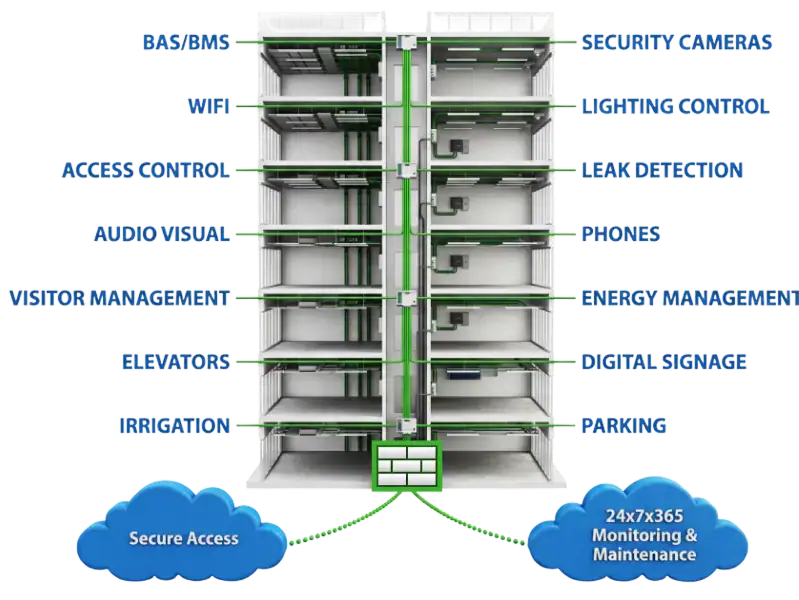
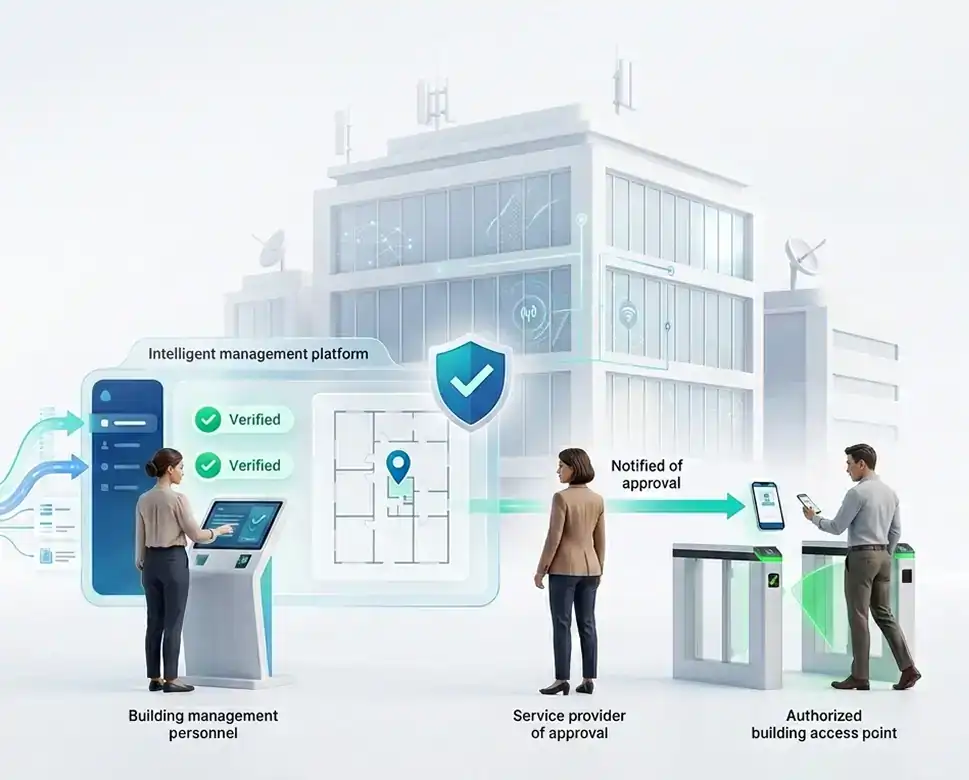
Screening of all Riser Access Requests
Liability Mitigation and Accountability
- Who: Company and specific personnel, ensuring COI is current
- What: Specific scope of work defined
- When: The time they will arrive on site and how long they will be there (applying all building access rules)
- Where: Which telecom closets and/or MPOE will be accessed
- Why: E.g., troubleshoot, equipment maintenance, cabling
24x7x365 Service Center
Our cornerstone of success
- All riser access requests professionally screened and documented
- Focus on building security, tenant service and satisfaction
- Field all tenant internet and cabling questions
- Consistent communication from start to finish
- Documentation of all riser cabling installations

Communications License Agreements (CLAs)
Expert assistance to ensure Internet Service Providers (ISPs) pay market rent

New ISPs
- Field request from ISP
- Coordinate site survey and feasibility study
- Recommend rent amount based on market rate
- Negotiate agreement with ISP (building’s CLA)
- Interface with building property management and/or legal regarding contract terms
- Follow up with ISP and property management through contract execution
Existing ISPs
- Advise and negotiate market rate rent adjustments
- Facilitate execution of contract addendum
Net-New Telecom Revenue
Long term conracts that go straight to the bottom line
- Bring new, rent-paying Internet Service Providers (ISPs) into the building
- Ensure all existing ISPs are paying the building market rent
- Where feasible:
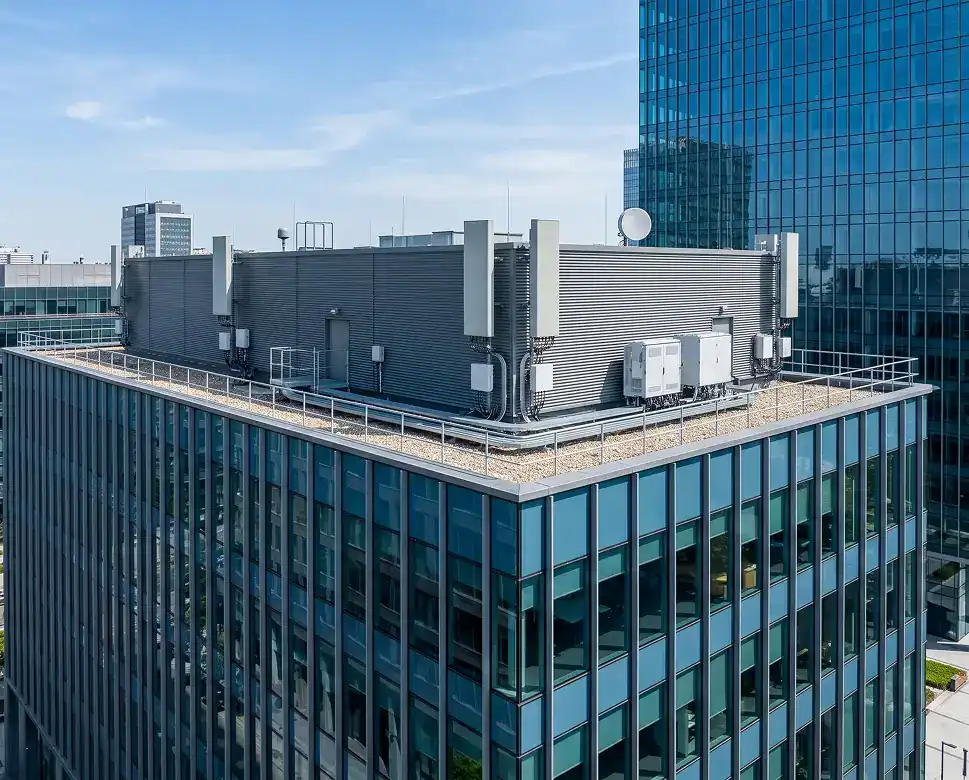
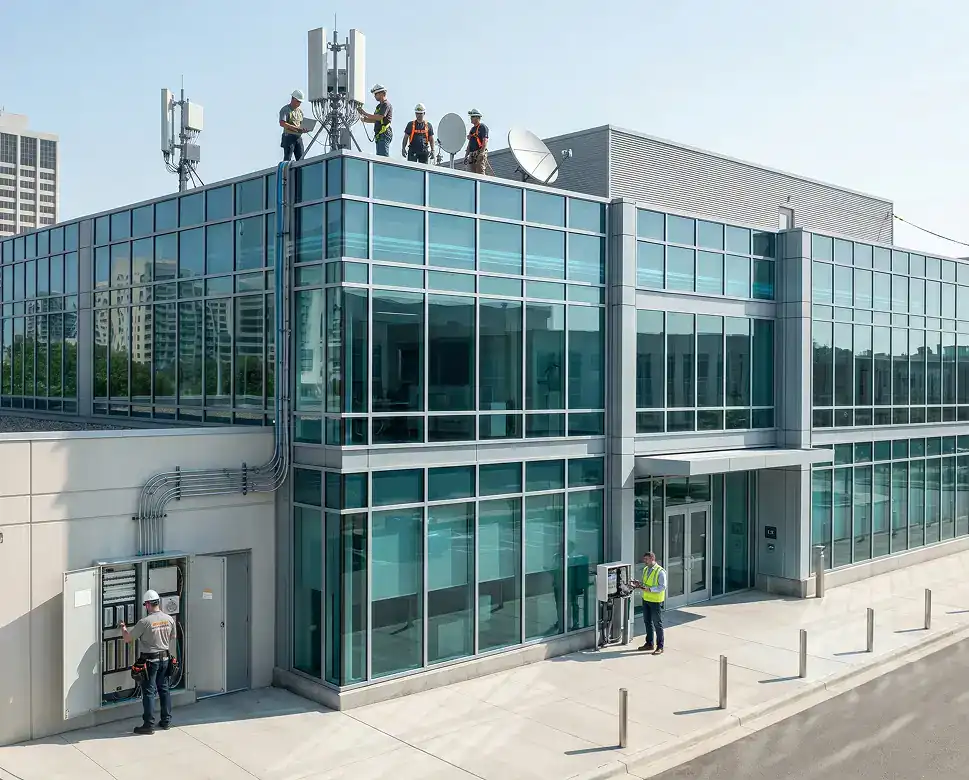
- Bring new, paying cellular providers to the rooftop
- Lease basement space to edge-compute providers (cloud, AI)
Dedicated Account Manager
Your resource for questions, requests, assistance
- Single point of contact for building staff
- For delegation of your telecom, technology, and infrastrucutre questions and tasks
- Resource for building staff to offload headaches and “to dos”
- Regular check-ins to ensure building goals are being met
- Understands building requirements and strategic objectives

Dedicated Project Manager
An expert who knows your building’s infrastructure
- A career focused on commercial cabling and technology
- Deep knowledge of your building infrastructure and operations
- Continuity that enhances quality
- Ensures code compliance and industry best practices
Annual Building Review

Recap of what was accomplished, planning for what lies ahead
- Last 12 months
- Jobs completed
- Service tickets completed
- CLAs completed
- Telecom providers: current and planned
- Telecom infrastructure overview
- Updated Building Technology Snapshot
- Major move-ins, move-outs
- Renovations
- Planned building technology/systems
- Planned amenities/upgrades
Building Telecom Assessment
Know what you have and where it’s located
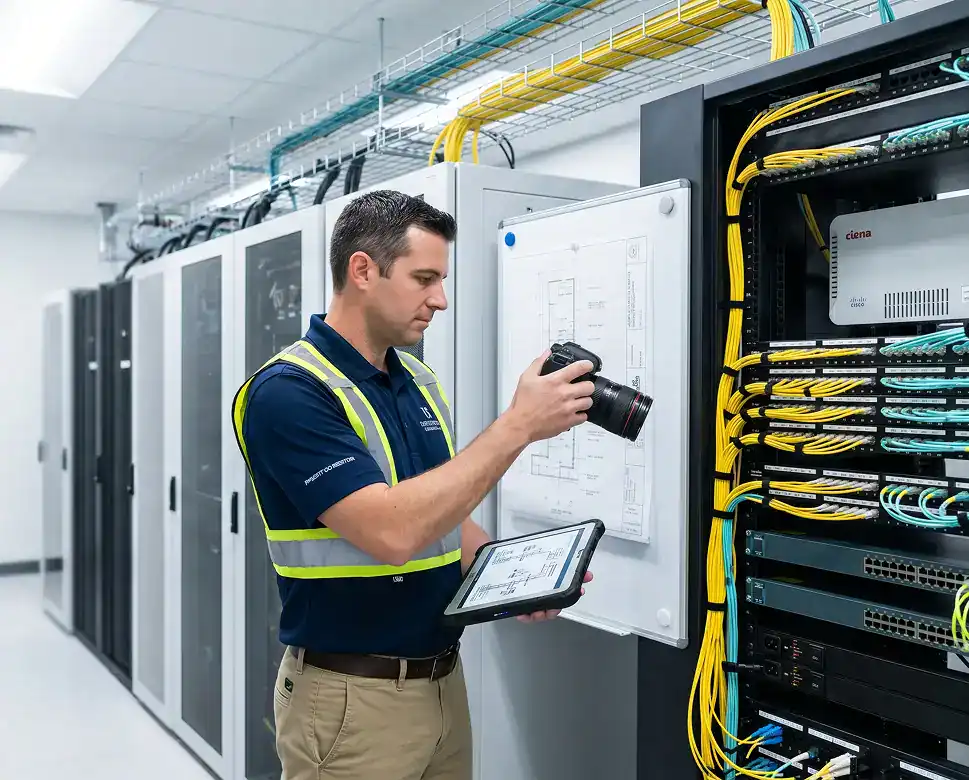
- Photograph and inspect all riser-related spaces
- Document building core (pathway) utilization
- Inspect the MPOE and identify service providers in the building
- Document ISP and tenant infrastructure
Strategic Consulting
Expert advice when you need it
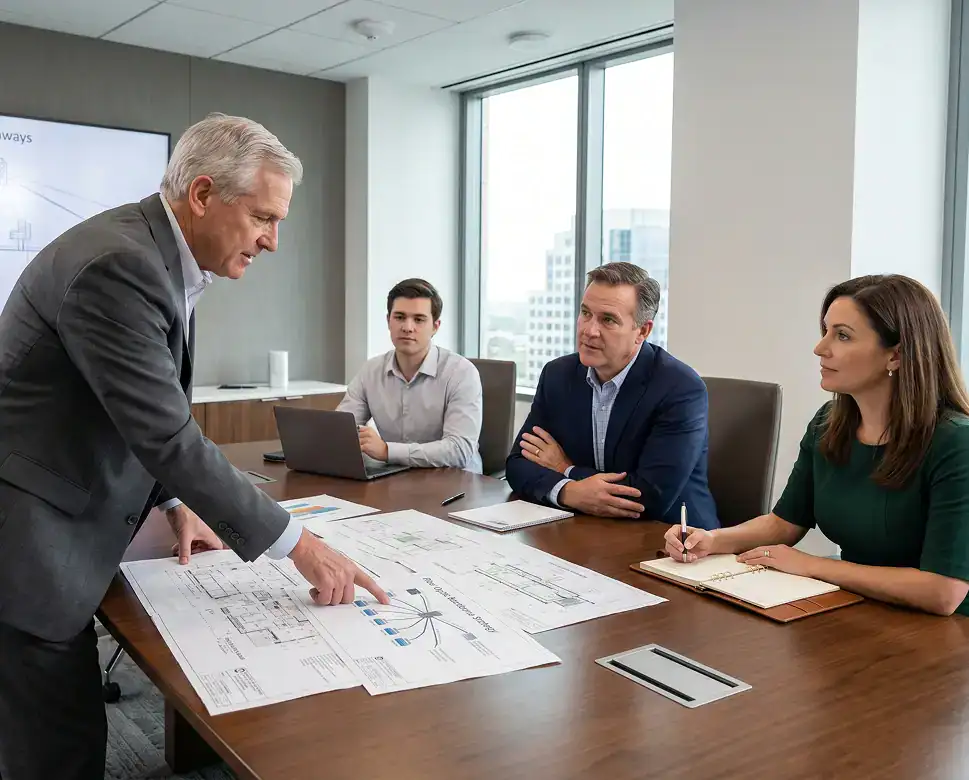
- Review and approval of proposed construction/cabling in the riser
- Field all building questions regarding technology and infrastructure
- Provide neutral advice from an “owner’s rep” perspective
- Research and recommend appropriate, cost-effective solutions/technologies
Real-time Telecom Infrastructure Documentation
Where it’s located, how it’s connected
- Maintain updated documentation that reflects all changes in the riser:
- Circuit extensions
- ISP backbones
- DAS infrastructure
- Network installations
Tenant Concierge Services
Our white-glove service for tenants

Move-In
Where it’s located, how it’s connected
- “Welcome to the building” email
- Help with ordering telecom services
- Extend services to suite
- One stop shop for low voltage, electrical, A/V work
- Tenant handbook provides useful information regarding building processes and standards
Move-Out
- Communicate tenant responsibilities
- Ensure cabling removal is performed in accordance with lease terms
- Verify space is move-in ready/turn-key per building standard
Technology Snapshot
An Effective Leasing Tool
- Highlights capabilities in a format valuable to prospective tenants
- Telecom service providers
- Infrastructure
- Technology
- Cybersecurity
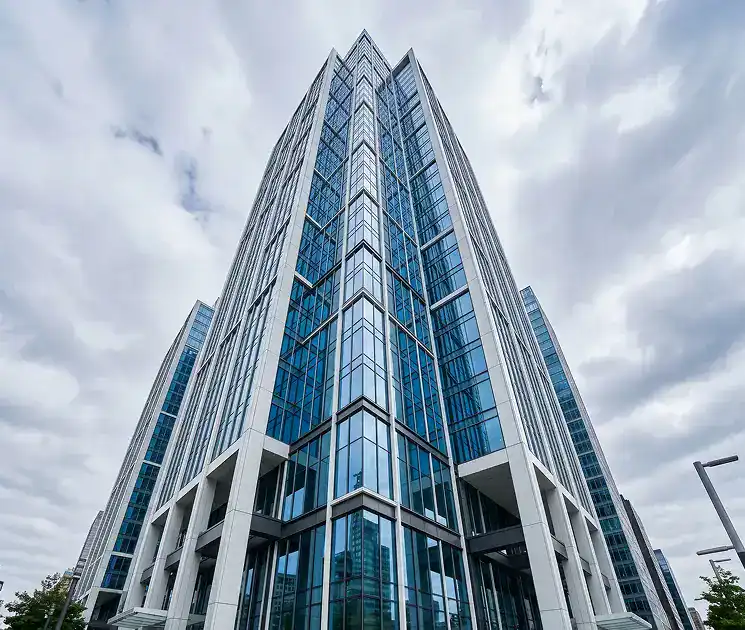
123 Main | San Francisco, CA



DAS/In-Building Cellular Consulting
DAS and In-Building Cellular systems are among the most complex building projects. Since the invention of DAS, Montgomery has been the leading resource in North America for buildings that need to:
- Administer RFP process
- Synthesize RFP responses in an “apples-to-apples” comparison format
- Review, design, and manage provisioning of donor-antenna and tenant-specific cellular solutions
- Review tenant-proposed DAS lease language and support in-building cellular lease negotiations
- Negotiate DAS/In-Building Cellular agreements: Facilitate upgrades and renewals; manage TI workflow
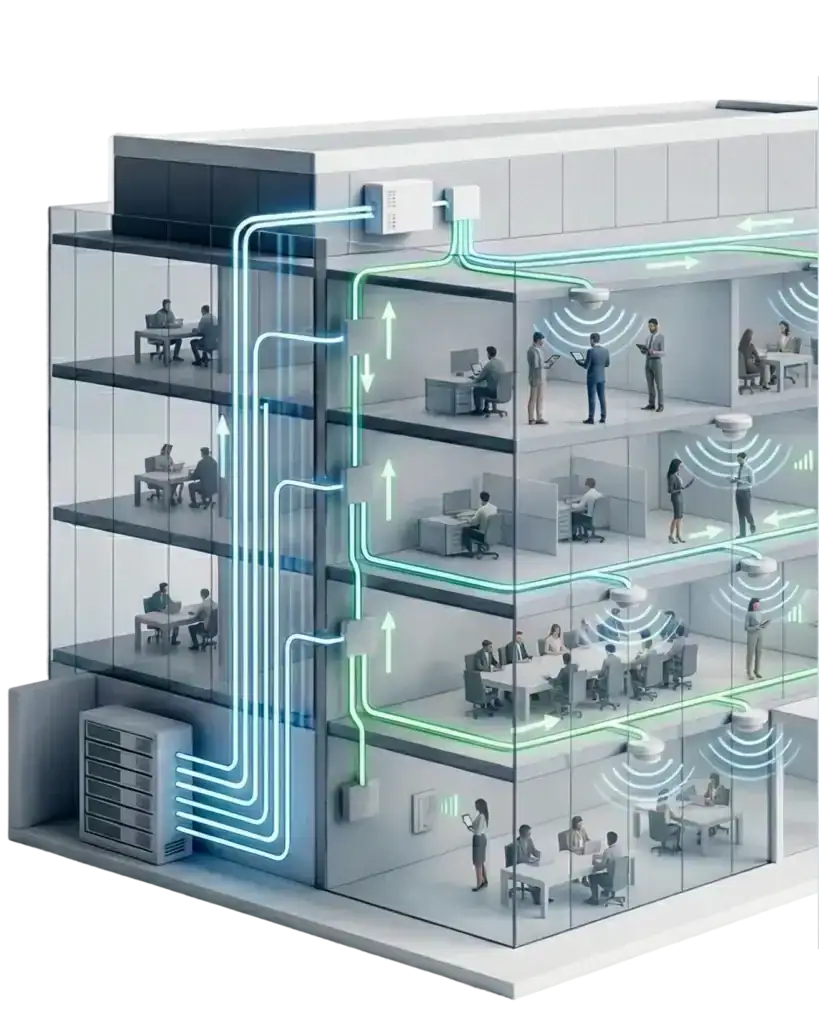
Rooftop Management
Comprehensive management of rooftop agreements, access, and projects
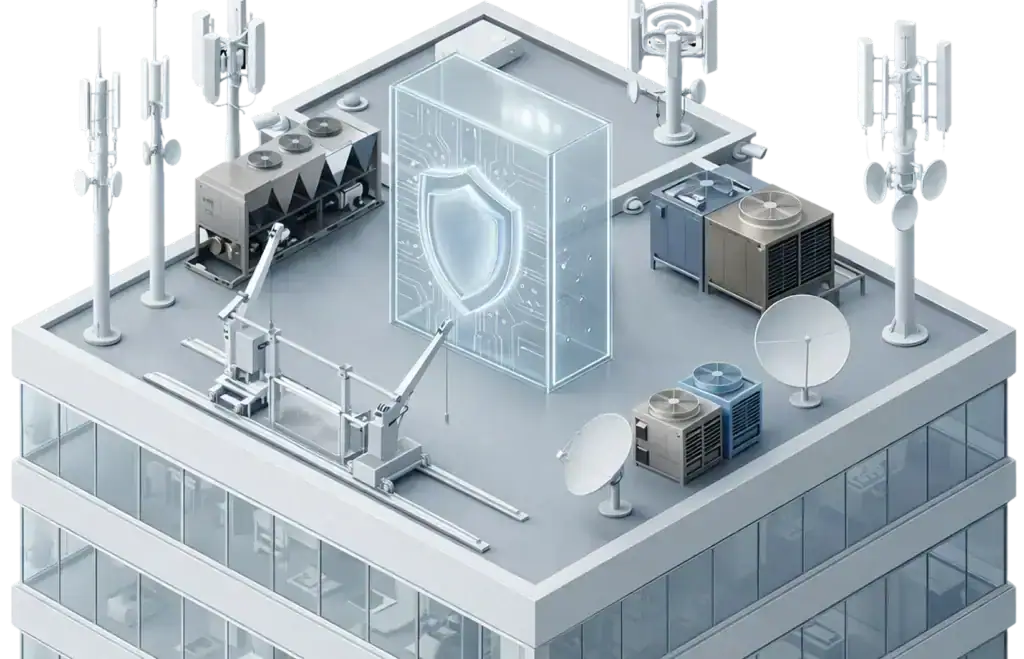
Montgomery’s Rooftop Management program is designed to offload specific, time-consuming projects that are outside the expertise of building operations. All projects are quoted on a fixed-price basis. Rooftop services include:
- Negotiation of new and/or existing rooftop agreements with service providers (e.g., cellular)
- Evaluation of existing agreements for revenue upside and compliance with terms
- Documentation of existing rooftop equipment
- Removal of old equipment
- Relocation of cellular equipment (dishes, antennas)
- Relocation of Building Maintenance Units (e.g., window washing equipment)
- Evaluation of rooftop revenue potential
- Construction plans review
- Radio frequency interference analysis
- Frequency compatibility study
Telecom Infrastructure Assessments
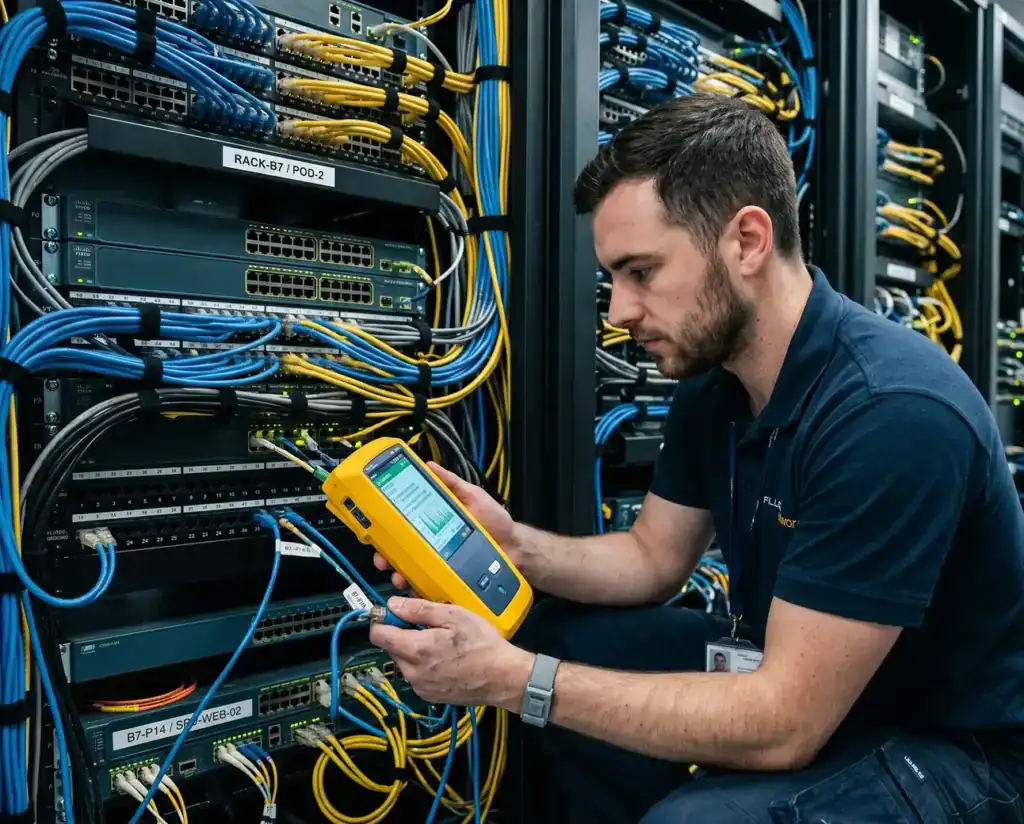
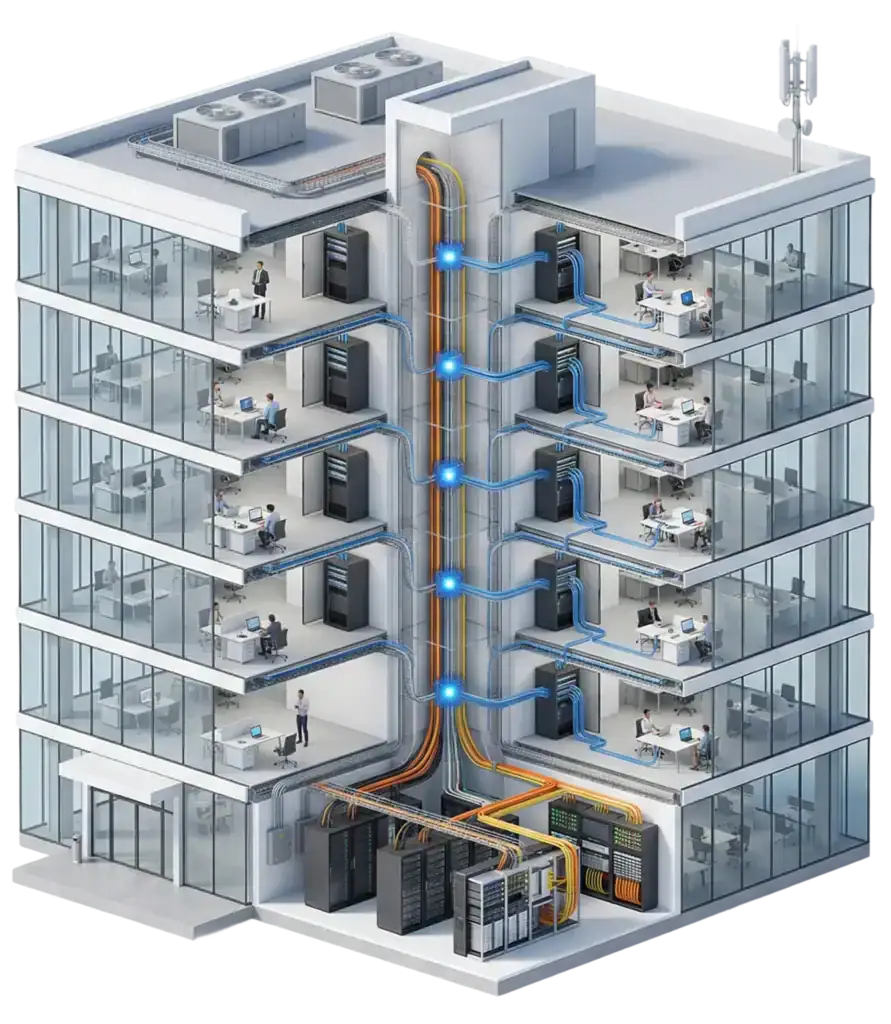
Knowing what you have, where it is located, how it is connected, and what can be improved are key components of a well-managed riser. Montgomery will:
- Photograph and inspect all riser-related spaces
- Document building core (pathway) utilization and create a riser core matrix
- Identify corrective actions recommended and required
- Inspect the MPOE and identify service providers in the building
- Document ISP and tenant infrastructure
- Provide an easy-to-read report of all findings
Neutral Fiber
(Centralized Distribution System)
Increase bandwidth diversity and net – new revenue to the building
ISP diversity in a building is critical – the more ISPs there are, the more likely tenants are to rent space in the building.
To ensure their businesses stay up and running, tenants often require internet service from 3-4 different internet service providers (ISPs), and many tenants have national contracts with specific ISPs. If a tenant’s preferred ISP is not already in the building, the lease opportunity may be lost, as it takes ISPs many months (and sometimes years) to build in.
But what do you do when space constraints make it difficult to add new ISPs? You install what is called a “neutral fiber” or Centralized Distribution System (CDS) – a fiber backbone that can be utilized by multiple ISPs. A neutral fiber backbone has the added benefit of lowering the cabling costs for the tenant – since there is already a backbone up the building, internet service is just a short cable run away.
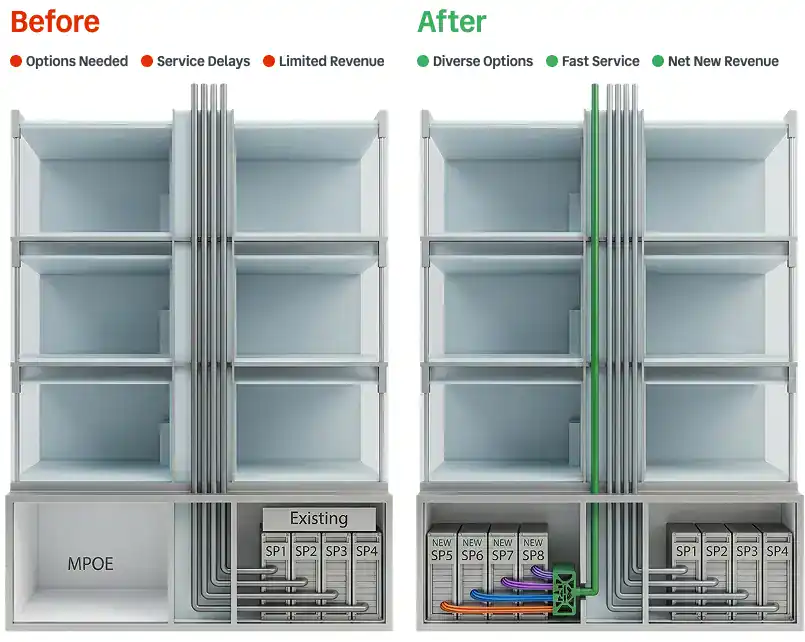
Neutral Fiber
A Win-Win-Win-Win Scenario
Win: Tenant
- Cost certainty: eliminates expensive cable runs to upper floors
- Satisfies tenants’ bandwidth diversity requirements
- 2-4 circuits from different providers for redundancy
- Faster turn up: simple extension in days
- vs. weeks with current internet service provider process
Win: Building
- Solves for lack of space for new providers
- Net-new revenue to building (rent form service providers)
- Bandwidth diversity achieved
- Increased tenant satisfaction:
- Quick turn-ups.
- Bandwidth diversity
- No cost to building
Win: Service Provider
- Eliminates $50-100K+ cost to build up the riser
- Only have to build to the MPOE
- Turn ups in days vs. weeks
- Aligns with service providers’ preference
- Only want to build to MPOE and have others extend to suite
Win: Montgomery
- Viewed by all parties as a solution provider
- Enhances long-term relationship with the building
- Achieves Montgomery’s goal of providing value to all parties over the long-term